
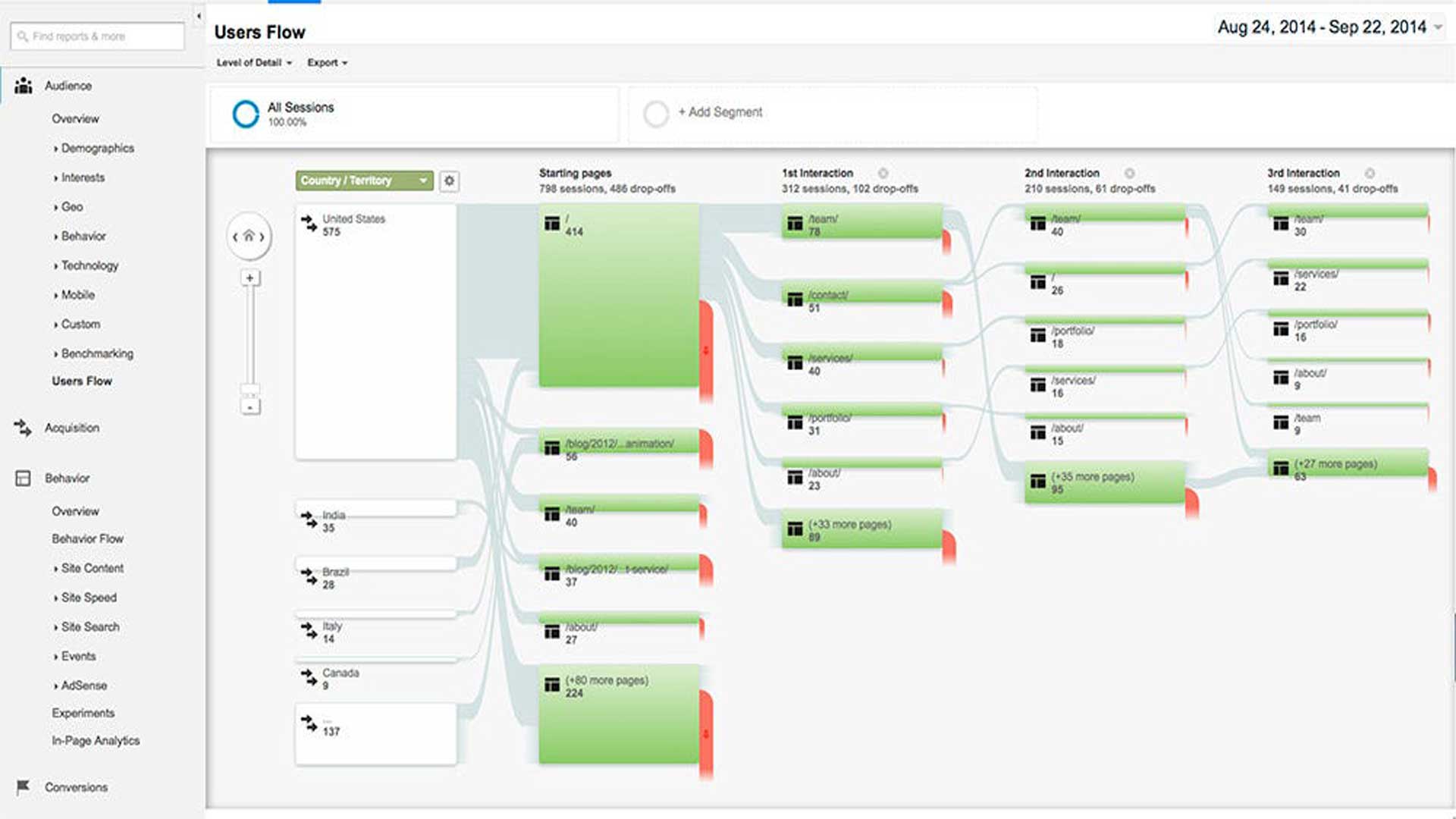
Understanding the Donation Funnel
A donation funnel typically includes four stages:
- Awareness – A visitor discovers your organization through search, social media, referrals, or outreach.
- Engagement – They explore your mission, programs, and impact.
- Decision – They click “Donate” and begin the giving process.
- Action – They complete the donation and receive confirmation.
Each stage must work seamlessly. A bottleneck at any point—slow pages, unclear messaging, too many form fields—can cause supporters to drop off. Optimizing the funnel means improving each stage so donors feel confident, inspired, and ready to give.
Strengthen the Top of the Funnel: Awareness and First Impressions
Before someone donates, they need to understand who you are and why your work matters. This begins with visibility and clarity.
Optimize for Search Engines (SEO)
Many donors start with Google. Make sure your website appears when people search for causes like yours. Use clear keywords, descriptive page titles, and mission‑aligned content to improve your ranking.
Create a Clear, Compelling Homepage
Your homepage should answer three questions within seconds:
- What does your organization do
- Who do you help
- How can someone get involved
A strong call‑to‑action (CTA)—such as “Donate Now” or “Support Our Mission”—should be visible without scrolling.
Use Emotionally Resonant Storytelling
People give to people, not organizations. Highlight real stories, photos, and impact statements that show the human side of your mission. Emotional connection is often the spark that moves someone deeper into the funnel.
Improve the Middle of the Funnel: Engagement and Trust
Once visitors understand your mission, they need reassurance that their gift will make a difference. This is where trust‑building becomes essential.
Show Transparency
Donors want to know how their money is used. Include:
- Impact metrics
- Annual reports
- Program descriptions
- Testimonials
Transparency increases confidence and reduces hesitation.
Simplify Your Navigation
If visitors can’t find your donation page quickly, they won’t donate. Keep your navigation clean and intuitive. Include a “Donate” button in your header on every page.
Use Clear, Benefit‑Driven Messaging
Instead of generic language like “Support us,” use specific, outcome‑focused statements:
- “$25 provides a week of meals for a family”
- “Your gift helps rescue and rehabilitate injured wildlife”
Specificity increases motivation.
Optimize the Donation Page: The Decision Point
Your donation page is the most critical part of the funnel. Even small improvements here can dramatically increase conversions.
Keep the Page Clean and Focused
Remove distractions—no menus, no unrelated links, no clutter. The page should have one purpose: completing a donation.
Use Suggested Donation Amounts
Preset amounts guide donors and increase average gift size. Include a custom field for flexibility.
Offer Recurring Giving Options
A simple checkbox—“Make this a monthly gift”—can significantly increase long‑term revenue. Recurring donors are more loyal and provide predictable funding.
Include Social Proof
Add:
- Donor testimonials
- Impact statements
- Trust badges (e.g., Charity Navigator, GuideStar)
Social proof reduces uncertainty and increases conversions.
Optimize for Mobile
More than half of online donations come from mobile devices. Your form must load quickly, display clearly, and be easy to complete on a small screen.
Reduce Friction in the Checkout Process
Even motivated donors abandon forms when the process feels tedious. Reducing friction is one of the most powerful ways to improve your funnel.
Minimize Form Fields
Ask only for essential information:
- Name
- Payment details
Additional fields—address, phone number, custom questions—should be optional. Every extra field increases abandonment.
Offer Multiple Payment Methods
Supporters expect flexibility. Include:
- Credit/debit cards
- ACH/bank transfer
- PayPal
- Apple Pay
- Google Pay
Digital wallets dramatically reduce friction on mobile devices.
Ensure Fast Load Times
Slow pages kill conversions. Compress images, streamline scripts, and use reliable hosting to keep your donation process fast.
Strengthen the Bottom of the Funnel: Confirmation and Retention
The donation isn’t the end of the funnel—it’s the beginning of a relationship. A strong post‑donation experience increases retention and lifetime value.
Send a Personalized Thank‑You Email
Your confirmation email should:
- Express genuine gratitude
- Reinforce the donor’s impact
- Provide a tax receipt
- Invite them to stay connected
Personalization builds loyalty.
Show a Thank‑You Page With Next Steps
After donating, supporters should land on a page that:
- Thanks them
- Shares impact stories
- Encourages sharing on social media
- Offers opportunities to volunteer or join your newsletter
This keeps donors engaged and deepens their connection.
Track and Analyze Donor Behavior
Use analytics to monitor:
- Drop‑off points
- Conversion rates
- Device usage
- Average gift size
Data helps you refine your funnel over time.
Final Thoughts
Optimizing your donation funnel isn’t about making your website prettier—it’s about making it easier for people to support your mission. When you remove friction, build trust, and guide supporters with clarity and compassion, you create a giving experience that feels meaningful and effortless.
The result is more donations, stronger relationships, and greater impact for your organization.